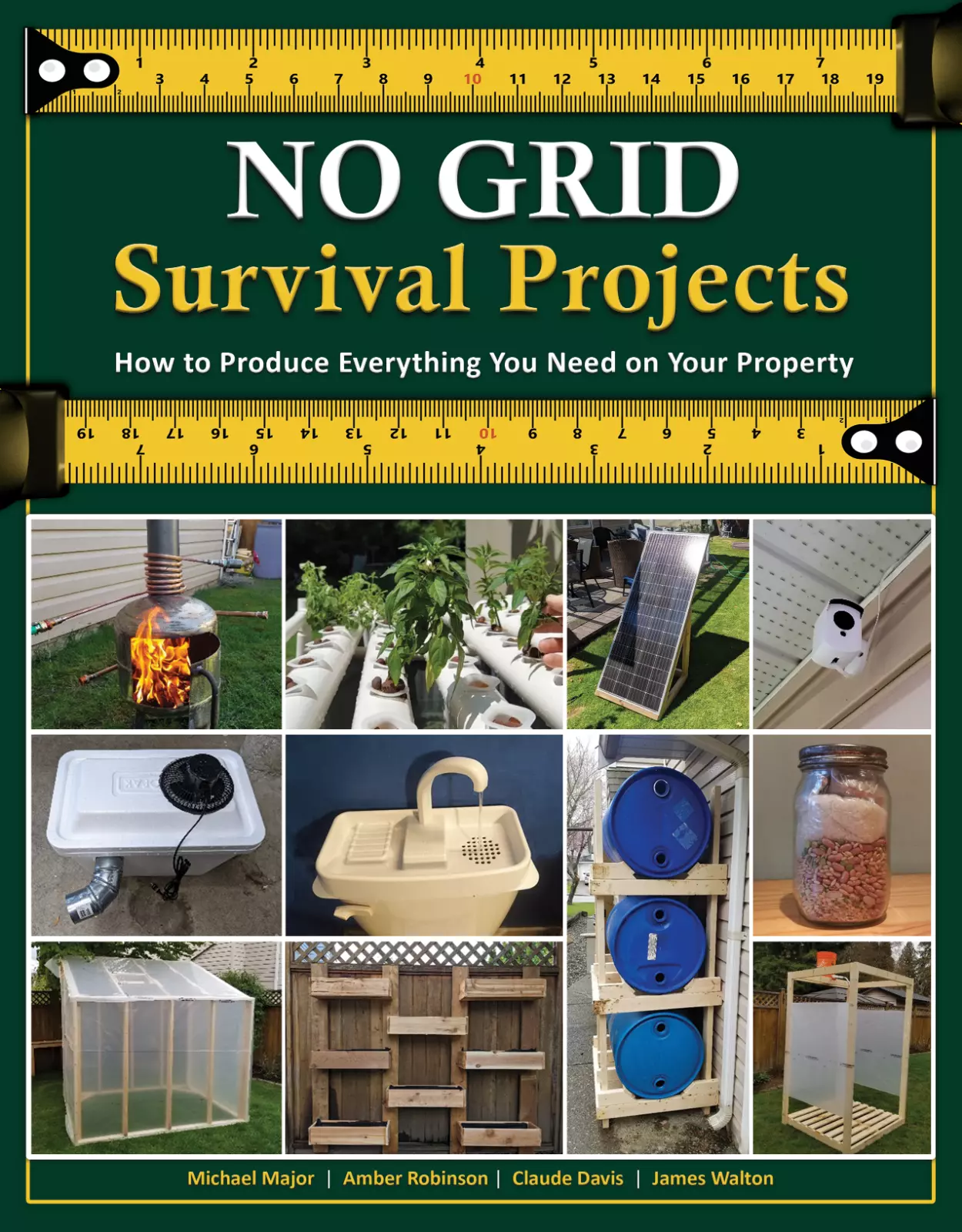
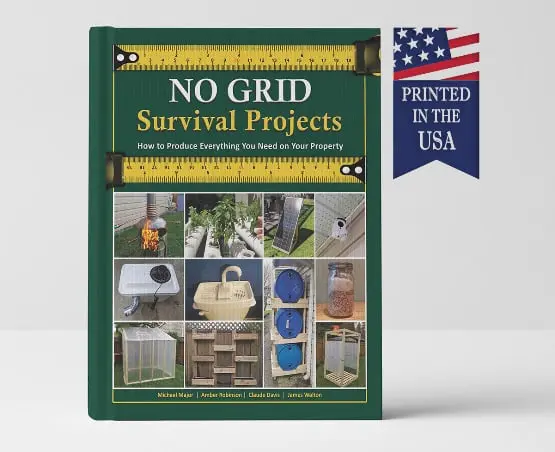


No Grid Survival Projects Book

Build Your Own Off-Grid Water, Food, and Energy Systems

No Grid Survival Projects

A hands-on field manual of 70 DIY projects for water, food, power, and a more self-reliant home, written by Michael Major and paired with a build video for every project.

The No Grid Survival Projects Book is a printed guide for people who would rather rely on their own skills than on the grid. Each project arrives with the materials cost, difficulty rating, and build time listed up front, followed by photos, sketches, and step-by-step instructions. You also get the digital edition, the project videos, and three digital bonus guides.

✔️ Physical book shipped to your door, plus instant digital access
✔️Video walkthroughs for each project
✔️ $37 one-time payment, covered by a 60-day keep-the-book guarantee

No Grid Survival Projects

no grid survival project

👉 70 DIY projects Water, food, energy, home, and more
👉Step-by-step instructions With photos and detailed sketches
👉A video for each project Follow the build from start to finish
👉Cost, difficulty, and time Listed at the start of every project
👉Three digital bonuses EMP, stockpiling, and herbal remedies
👉60-day guarantee Refund available, and you keep the book


What Is No Grid Survival Projects Book?

No Grid Survival Projects is a collection of practical, build-it-yourself projects aimed at one goal: covering more of your household's basic needs on your own property. Instead of theory or a general preparedness checklist, the book walks through specific things you can make, such as a rainwater system, a solar setup with battery storage, a hand-operated water pump, raised garden beds, and a heater that turns a wood stove into a hot water source.

The book was written with two situations in mind. The first is an emergency: a long power outage, a severe storm, an economic shock, or any disruption that makes you wish you had water, food, heat, and light you control yourself. The second is ordinary life. Many of the projects are designed to reduce everyday costs for things like electricity, water, and groceries, which is why the author frames them as useful whether or not a crisis ever arrives.

The official product site describes the projects as inexpensive to build and suitable for people with limited time. The author notes that he works a full-time job and built the projects in his spare time, and he positions the book for everyday homeowners, renters with a backyard, and families rather than wealthy buyers or professional contractors.

It helps to be clear about what the book is and isn't. It is a practical DIY and self-sufficiency guide. It doesn't promise that any single project will make a household fully independent, and results depend on your climate, your property, your budget, your skills, and the time you invest. Think of it as a well-organized starting library of off-grid survival projects you can choose from and adapt to your own situation.

What's Inside No Grid Survival Projects Book?

Water & self-sufficiency projects

Water gets substantial attention. The book includes ways to collect, store, move, filter, and heat water without relying on municipal supply or electric pumps.

Examples: a condensation device that pulls water from the air, a gravity-pressurized rainwater system, a PVC hand pump, and a low-cost DIY water filter.

Food & food storage projects

Several chapters focus on making and keeping food that lasts. These projects lean on traditional preservation methods and long-shelf-life recipes.

Examples: homemade MREs, a high-calorie food bar, long-lasting pioneer biscuits and bread, a low-cost jerky maker, and an under-bed pantry for storage.

Gardening & growing food

For growing your own food, the book covers compact, protected, and high-yield setups that don't require acres of land.

Examples: hoop house raised beds with pest protection, a fence-mounted hidden garden, a modular self-sustaining greenhouse, and a high-yield aquaponics farm.

Off-grid energy projects

The energy projects explore several ways of producing and storing your own electricity, from sunlight and moving water to wind.

Examples: a backyard solar power plant with a battery bank, a small hydro generator, a wind turbine built from salvaged motors, and a Faraday cage for protecting electronics.

Home & household projects

These projects target daily comfort and chores when power is limited or expensive, including heating, cooling, washing, and cooking.

Examples: a no-power cooling unit, an off-grid washing machine, a wood-heated shower, a rooftop coil water heater, a portable stove, and an all-weather fire starter.

Preparedness & communication projects

Staying informed and connected matters in an extended outage. The book discusses radio-based communication along with broader readiness topics.

Examples: a long-range communication device, a CB radio approach for post-EMP contact, an EMP-resistant generator, and traditional Amish skills worth learning.

Natural health & first aid

A group of projects covers home first-aid preparation and plant-based remedies, supported by the herbal apothecary bonus.

Examples: a dollar-store medical kit, a medicinal garden that fits in an 8-by-10-foot space, and a guide to 40 wild remedies.

Property security

The book also includes home and perimeter security projects. This page describes them only at a high level; see the note on sensitive topics further down.

Examples: motion-activated lights, a tripwire alarm, concealed storage, and ways to make a home less noticeable to looters.

How each project is laid out

Water gets substantial attention. The book includes ways to collect, store, move, filter, and heat water without relying on municipal supply or electric pumps.

Examples: a condensation device that pulls water from the air, a gravity-pressurized rainwater system, a PVC hand pump, and a low-cost DIY water filter.

Materials cost: Estimated cost listed at the start of each project
Difficulty level: A skill rating so you can pick the right starting point
Time needed: How long the build should take to complete
Materials list: What to buy, with suggestions for affordable sources and links to the parts the author used
Photos & sketches: Pictures along the way and detailed drawings for each stage
Build video: A video for every project showing how the author built it
Want the full set of instructions, sketches, and videos for all 70 projects?

Featured Projects From the Book

no-grid-survival-projects-buy

Water from thin air

A compact condensation device that draws moisture out of the air. The official page notes it performs best in warm weather, when the air holds more water vapor.

Pressurized rainwater harvesting

A vertical collection system described as holding about 165 gallons. Because the tanks stand upright, gravity supplies the pressure, so no pump or siphon is needed. The author says his build took roughly three hours.

The Backyard Power Plant

A DIY solar system with a battery bank, designed to run modest loads such as a small fridge, TV, and laptop during an outage. The chapter and videos cover choosing components and assembling the system.

Small hydro generator

For properties with moving water, a small generator that can charge a battery bank. The book presents it as adjustable and scalable. Access to a suitable stream, and any local water-use rules, will decide whether it fits you.

Pump water without electricity

A hand pump built from PVC for moving water when electric pumps are unavailable, or simply for daily use. The official page lists the materials at about $17.50.

Hidden food-growing fence

Turns an unused fence into growing space using wooden planters or reclaimed pallets. It is designed so the garden stays out of view from the other side of the fence.

Hoop house raised beds

Easy-harvest raised beds under a hoop cover that shields plants from pests and weather. It suits gardeners who want more food from a small space with less bending and upkeep.

Hot water from your wood stove

A heating coil that captures heat from a wood stove to warm water whenever the stove is lit. The author says it can be added in under an hour, and it can connect to the book's off-grid shower.

Water & self-sufficiency projects

Water gets substantial attention. The book includes ways to collect, store, move, filter, and heat water without relying on municipal supply or electric pumps.

Examples: a condensation device that pulls water from the air, a gravity-pressurized rainwater system, a PVC hand pump, and a low-cost DIY water filter.

Cooling without grid power

A homemade cooling unit intended to make hot indoor spaces more bearable during summer, including when the power is out.

Communicating after an EMP

The book explains how to adapt a CB radio for longer-range communication, and the official page presents the approach as legal. Radio equipment is regulated (by the FCC in the U.S.), so confirm your setup complies.

High-yield aquaponics farm

A combined fish-and-plant system in which fish waste feeds the plants and the plants help clean the water. One customer on the official site mentions working on this project.

DIY wind turbine

A small turbine built around salvaged motors, giving you another renewable source alongside solar and hydro where wind conditions allow.

More projects

✔ Under-bed pantry for concealed food storage
✔ Simple portable stove
✔ Pioneer biscuits with a very long shelf life
✔ DIY medical kit from dollar-store supplies
✔ Long-lasting homemade survival food
✔ Automatic fish trap for ponds and rivers
✔ Off-grid washing machine
✔ Egg preservation method
✔ Rooftop coil water heating system
✔ Motion-activated lights
✔ EMP-resistant survival generator
✔ All-weather fire starter
✔ Projects using wood pallets
✔ Homemade toilet paper rolls
✔ $5 DIY water filter
✔ Cabbage leaf bandages, a traditional folk remedy
✔ Homemade MREs
✔ Turning garbage into fuel
✔ $10 jerky maker
✔ Projects from used tire rims
✔ 2,400-calorie food bar
✔ Wood-heated off-grid shower
✔ Home heating with a propane tank
✔ Long-lasting bread without refrigeration
✔ 8-by-10-foot medicinal garden
✔ 40 remedies found in the wild
✔ Humane pest control
✔ Modular self-sustaining greenhouse
✔ An oven that cooks without fire or fuel
✔ Faraday cage for pulse protection

More Than a Book: What You Receive

The author chose to put the projects in a printed book on purpose. A paper copy stays readable during a blackout, when devices die and the internet may be down. For learning the builds, though, video is often easier, so every project also has footage showing how he made it. You get both formats with your order.


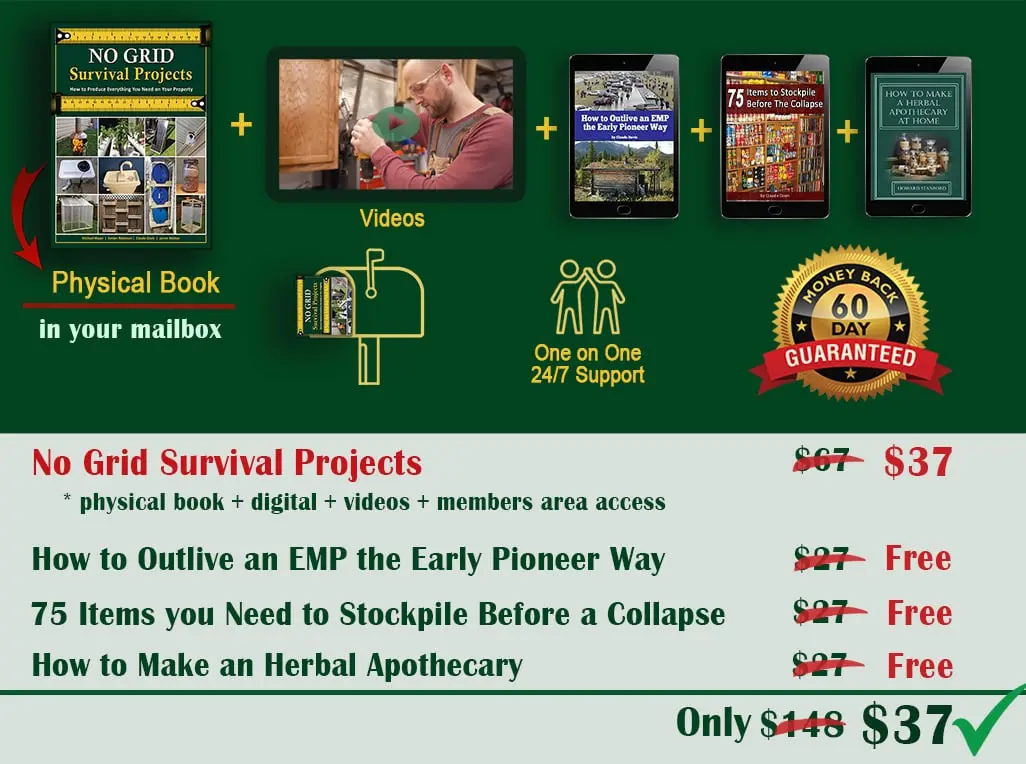
👉 The printed No Grid Survival Projects book, shipped to your address. 
👉  The digital version of the book, available right after purchase, so you can start before the paper copy arrives.
👉  Build videos for each project, following the steps from start to finish.
👉  Three digital bonus guides, described in the bonuses section below.
👉  Access to the members area where the digital materials are provided.
👉  24/7 support, which the official page describes as one-on-one.


About The Author :  Michael Major

Michael major

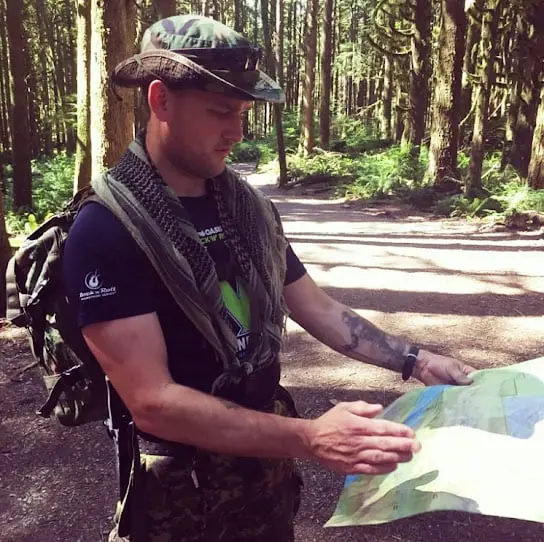
Michael Major is the main author of the book No Grid Survival Projects.

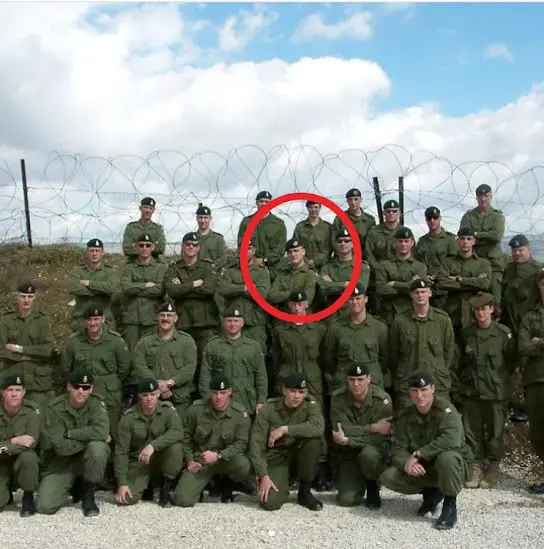
He is 40-year-old father of two. He proudly served his country for 7 years as an infantry soldier, spending almost seven months overseas as a NATO peacekeeper. During that time, he’ve witnessed first-hand how quickly the social fabric of a civilized country can unravel during a widespread disaster, and how many innocent people end up suffering as a result.

Michael major in group photo

After his time in the Army, he became a welder and fabricator working in the aerospace field. During that time, he built many parts and tools for Boeing. As you can imagine, in the aerospace industry, there is no room for error, so he had to become precise to the tenth degree with everything he did. What he discovered is that with any project, it’s often the smallest details that make the greatest difference. This is why all his instructions and sketches are extremely precise—without leaving anything out—for the projects that he told you about so that anyone can rebuild them easily, not like those instructions from IKEA when you have to guess some of the steps yourself.

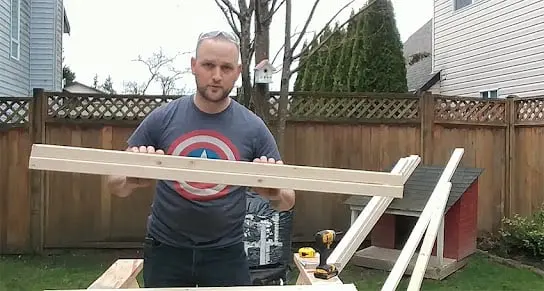
Michael major doing work

He don’t know about you, but he don’t want to be at the mercy of others. He want to be able to protect himself, and his wife, and his two boys no matter what’s happening around us. And he want to be able to do this safely, at home, because in a collapsed world, once you leave your home, you are at the mercy of others.

At the same time, the projects that he developed, can help you save money and become self-sufficient and independent on your own property and on your own terms.

+ 3 Bonuses Included for FREE and
24/7 One on One Support

survival projects book claude davis

If you get No Grid Survival Projects today, you’ll also take advantage of - a limited offer - of 3 exclusive gifts that will be off the table soon:

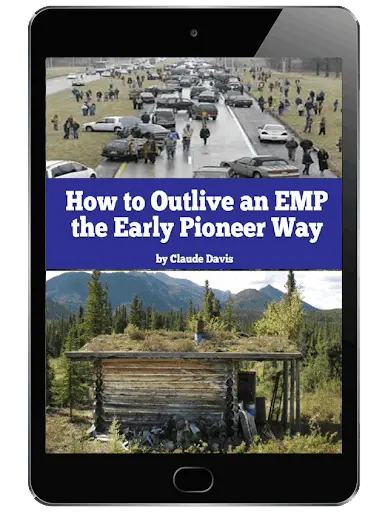
The first bonus is called How to Outlive an EMP the Early Pioneer Way. This is a day-by-day guide that shows you exactly what to do after an EMP every day for 30 days straight using the survival skills of our ancestors.  

75 Items you Need to Stockpile Before a Collapse

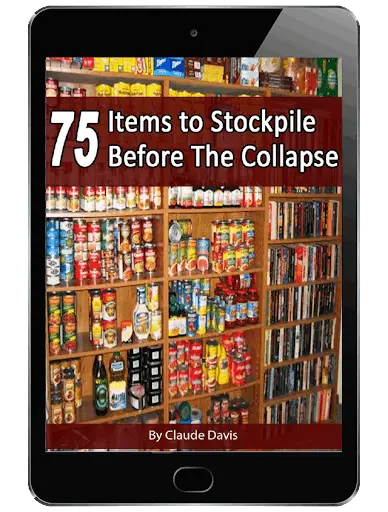
The second bonus is 75 Items you Need to Stockpile Before a Collapse, and I think you should check this list immediately to see which items you’re still missing because you probably won’t be able to get them in a crisis. Many are very counterintuitive but still easily obtainable today. Stockpile them for survival and as precious bartering commodities.

How to Make an Herbal Apothecary

The third bonus you’ll receive is How to Make an Herbal Apothecary. You'll need this one for the extremely detailed instructions on how to build your own natural pharmacy from scratch using the plants grown in your medicinal garden or the ones you forage for around the house.

Keep-the-book Money-Back Guarantee!

60 days money back

You will also be covered by my KEEP-THE-BOOK MONEY-BACK GUARANTEE!

You have a full 60 days to try No Grid Survival Projects. If at any time during those 60 days you are NOT COMPLETELY satisfied with this guide, send us an email or message and we will refund you the price of the book. It’s as simple as that!

You can choose to keep the physical book, even if we refund you the $37. 

What to Know Before You Buy

The No Grid Survival Projects Book is a good fit for homeowners, DIY enthusiasts, gardeners, homesteaders, and families who want practical off-grid skills they can use now. It is likely to appeal most if you enjoy hands-on work and want a structured list of projects rather than a general preparedness overview. A few things are worth knowing first.

✔ You will need tools and some time. Projects vary in difficulty. The ratings at the start of each one help you begin with simpler builds and work up to bigger ones.

✔ Materials cost extra. The book lists estimated costs, but supplies are bought separately and prices vary by location

✔ Your property matters. A hydro generator needs moving water, solar output depends on sunlight, and wind power depends on local conditions. Not every project will suit every home.

✔ Some work carries real risk. Electrical wiring, stoves, fuel, pressure, and heavy lifting call for care. Hire a licensed professional when a job is beyond your experience.

✔ Local rules apply. Building codes, water rights, radio regulations, fire rules, and weapons laws differ from place to place. Check before you build.

✔ Expect realistic results. These projects can help you save money and prepare, but no book can guarantee safety or complete self-sufficiency.

Frequently Asked Questions

No Grid Survival Projects Book is a printed DIY guide by Michael Major featuring 70 off-grid and self-sufficiency projects covering water, food, gardening, energy, household needs, communication, and home security. It comes with a digital edition, build videos, and three digital bonus guides.

It is written for everyday people who want to be better prepared for emergencies and to reduce household costs, especially those who like hands-on projects. The official website says the projects are affordable and can be built in spare time, and it presents them as suitable for men and women of any age.

The official website describes the book as containing 70 projects. One passage on the same page refers to more than 75, so the exact count may depend on how smaller projects are grouped.

Yes. Water projects include a condensation device, a pressurized rainwater harvesting system, a PVC hand pump, and a low-cost water filter. Food projects include long-lasting survival foods, homemade MREs, a jerky maker, raised beds, a greenhouse, and an aquaponics farm.

Yes. The energy projects include a backyard solar power system with a battery bank, a small hydro generator, a wind turbine built from salvaged motors, and an EMP-resistant generator.

Yes. According to the official website, every project has a video in which the author shows how he built it, and you receive the videos along with the book.

Start Building Your Off-Grid Knowledge Today

no grid survival project

Copyright © 2026 - no grid survival project                                                                                                                                                                              
FDA Compliance

All content and information found on this page are for informational purposes only and are not intended to diagnose, treat, cure or prevent any disease. The FDA hasn't evaluated the statements provided on this page. Make sure you consult with a licensed doctor before taking any supplement or making any changes to your diet or exercise plan. Individual results may vary.
The display of third-party trademarks and trade names on this site does not necessarily indicate any affiliation or endorsements of our website. If you click a merchant link and buy a product or service on their website, we may be paid a fee by the merchant.